
Your Messy Fall Garden Is Doing More Good Than You Think
Around here, you'll still find us wandering through the garden collecting seeds for next year. We're not opposed to a little fall housekeeping! We just believe there's room for both — saving a few seeds for spring and leaving plenty behind for the creatures who call our garden home.
An ode to fallen leaves, spent flowers, and the beautiful mess we leave behind.
There’s a certain point every fall when the garden starts looking a little… unruly.
The flowers have faded. Seed heads are leaning every which way. Leaves are piling up, and the once-lush garden beds have taken on that wonderfully scraggly, end-of-season look.
And if you’re anything like us, there’s a little voice telling you it’s time to tidy everything up.
But here’s the thing: that messy fall garden might be doing more good than you think.
A Little Mess Goes a Long Way
While we’re busy putting the garden to bed, an entire little world is preparing for winter right beneath our noses.
Native bees, butterflies, moths, beetles, and countless other tiny creatures depend on the things we’re often so quick to clean up.
Those hollow and pithy plant stems? Some native bees use them as nesting places.
The fallen leaves? They provide shelter for overwintering insects, including certain butterflies and moths.
And those dried flower heads standing tall above the garden? They’re a natural buffet for seed-loving birds.
What looks like a garden past its prime to us can be a pretty important piece of habitat for someone much smaller.
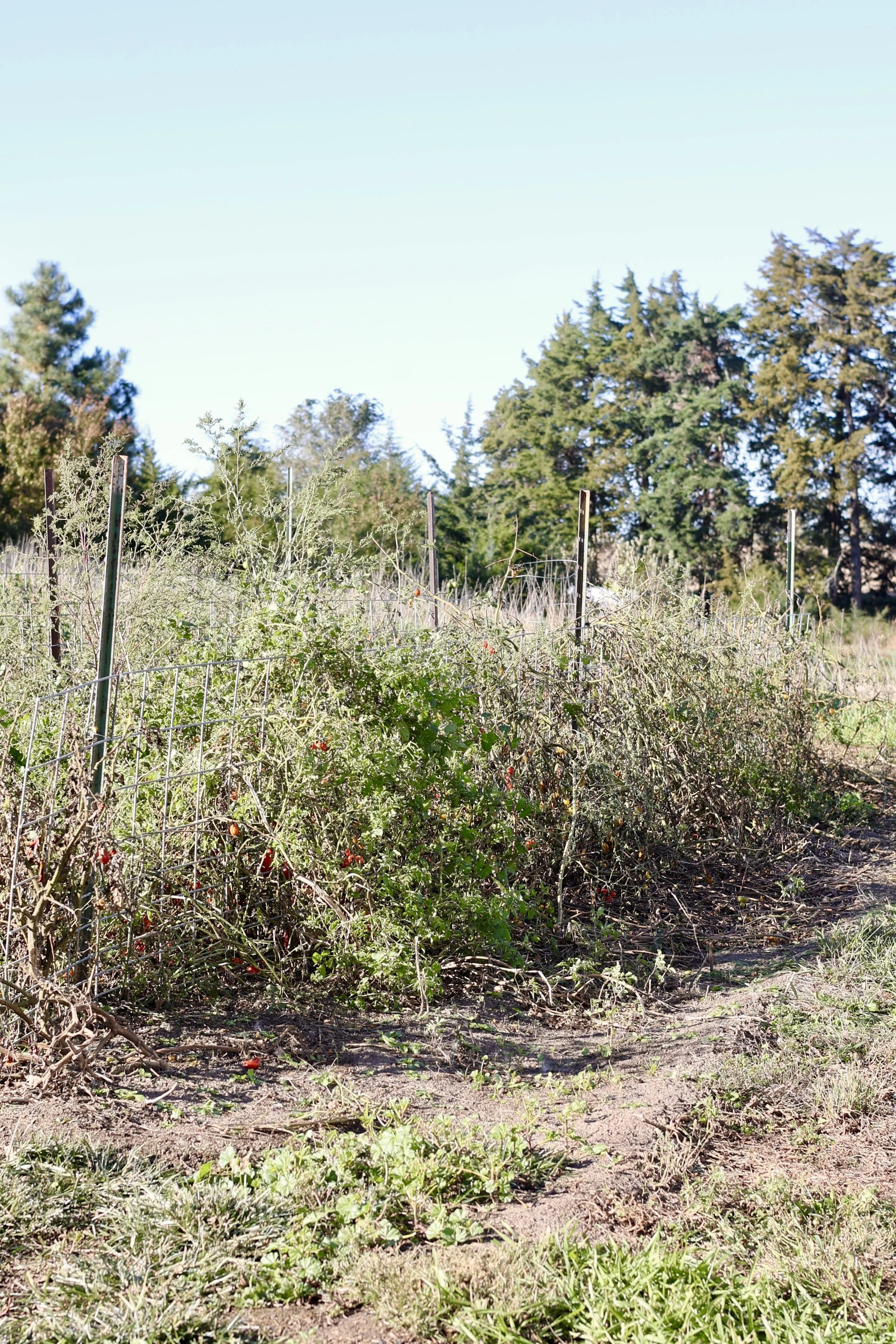
Not exactly a picture-perfect garden. But for the tiny creatures preparing for winter, that's kind of the point.
Not Every Bee Lives in a Hive
Around here, honey bees get plenty of attention. (Occupational hazard when you’re beekeepers!)
But they’re only part of the pollinator story.
Nebraska is home to hundreds of species of native bees, many of which live very different lives from our honey bees.
Some nest underground. Others use hollow stems or tunnels in wood. Many spend much of the colder season tucked away in places we’d hardly think to look.
Unlike our honey bees, which spend winter together in their hives, most native bees live solitary lives.
And the places they depend on for shelter aren’t always particularly pretty.
Which is a pretty good reason to leave a few things alone.
Permission to Put Down the Pruners
Now, we’re not suggesting you abandon your garden entirely or let every corner of your yard become a jungle.
But maybe we don’t need to be quite so enthusiastic about the fall cleanup.
Leave some perennial stems standing. Let a few seed heads stick around. Tuck fallen leaves into garden beds or beneath shrubs where they can provide shelter and slowly break down into the soil.
And if you’ve got a quiet corner that can stay a little wild? Even better.
Come spring, give those overwintering insects a chance to emerge before clearing everything away.
A little less raking. A little less cutting. A little more letting nature do her thing.
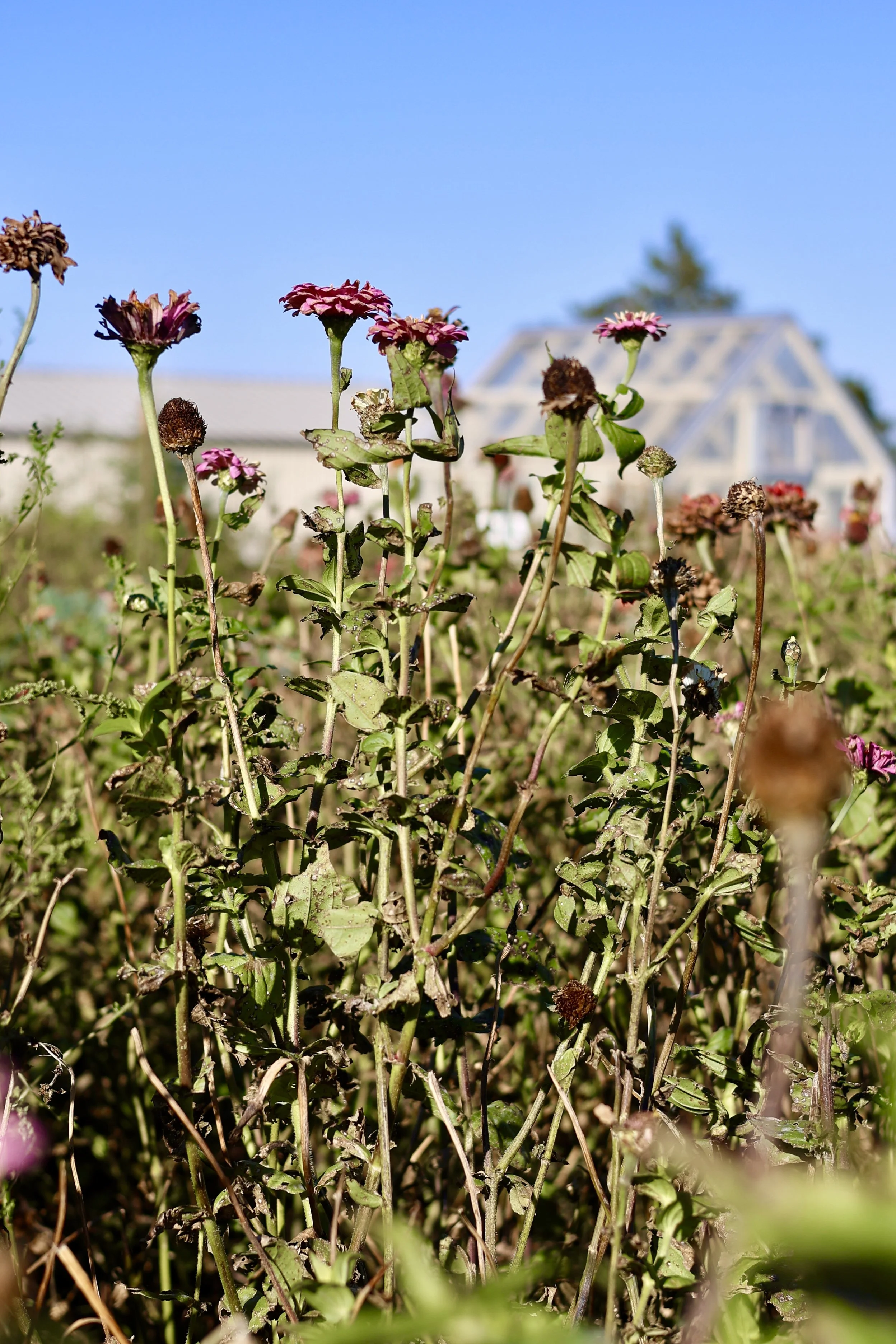
The Bee & Bloom Garden at Fat Head Honey Farms, trading its summer blooms for a little autumn wildness.
There’s Beauty in the Untidy Bits
One of our favorite things about life on the farm is watching the seasons change, each one bringing something different to appreciate.
The garden in October certainly doesn’t look like the garden in July. The colors are softer, the edges are rougher, and everything seems to be winding down.
But there’s still an awful lot happening out there.
And maybe that’s the loveliest part.
A garden doesn’t stop being useful just because it stops blooming.
So if your flower beds are looking a little wild this fall, consider this your official permission slip to leave a little mess behind.
The pollinators will thank you.
And your rake might appreciate the vacation, too.
With love from the wonderfully imperfect gardens at Fat Head Honey Farms. 🐝