
Why Raw Honey Crystallizes (And Why That’s Actually a Good Thing)
Is Crystallized Honey Still Safe to Eat?
Yes. Crystallized honey is completely safe to eat. In fact, crystallization is one of the best signs that your honey is raw and unprocessed. Nothing has gone bad—it's simply the natural sugars forming crystals.
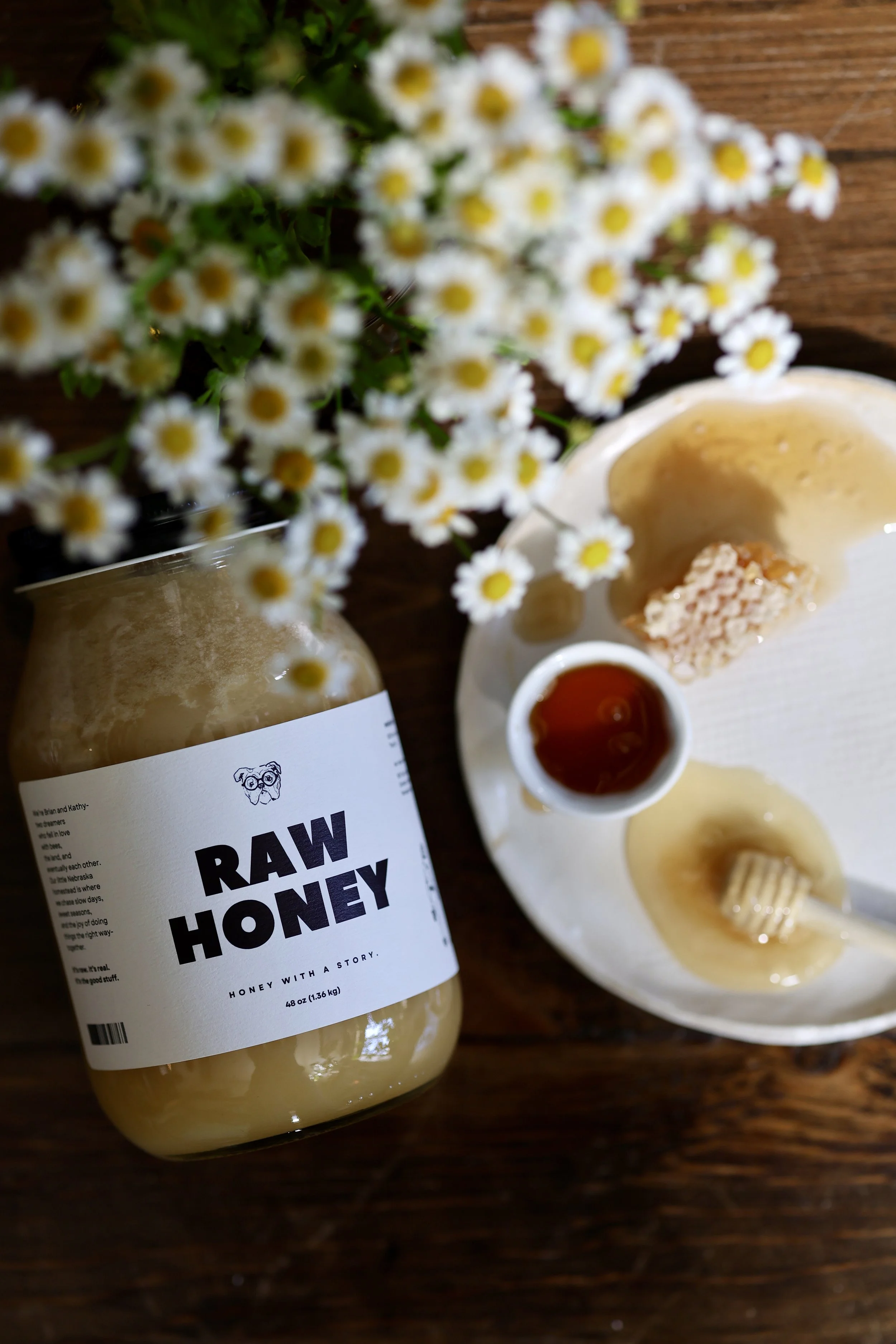
If you’ve ever opened a jar of honey and noticed it looks cloudy, thick, or even a little grainy, you might wonder if something has gone wrong.
The short answer?
Nothing is wrong at all.
In fact, crystallization is one of the best signs that your honey is real, raw honey.
At Fat Head Honey Farms, we see it all the time. Honey is a natural food, and like many natural foods, it changes over time. Sometimes it pours easily, and sometimes it becomes thick and creamy.
Both are completely normal.
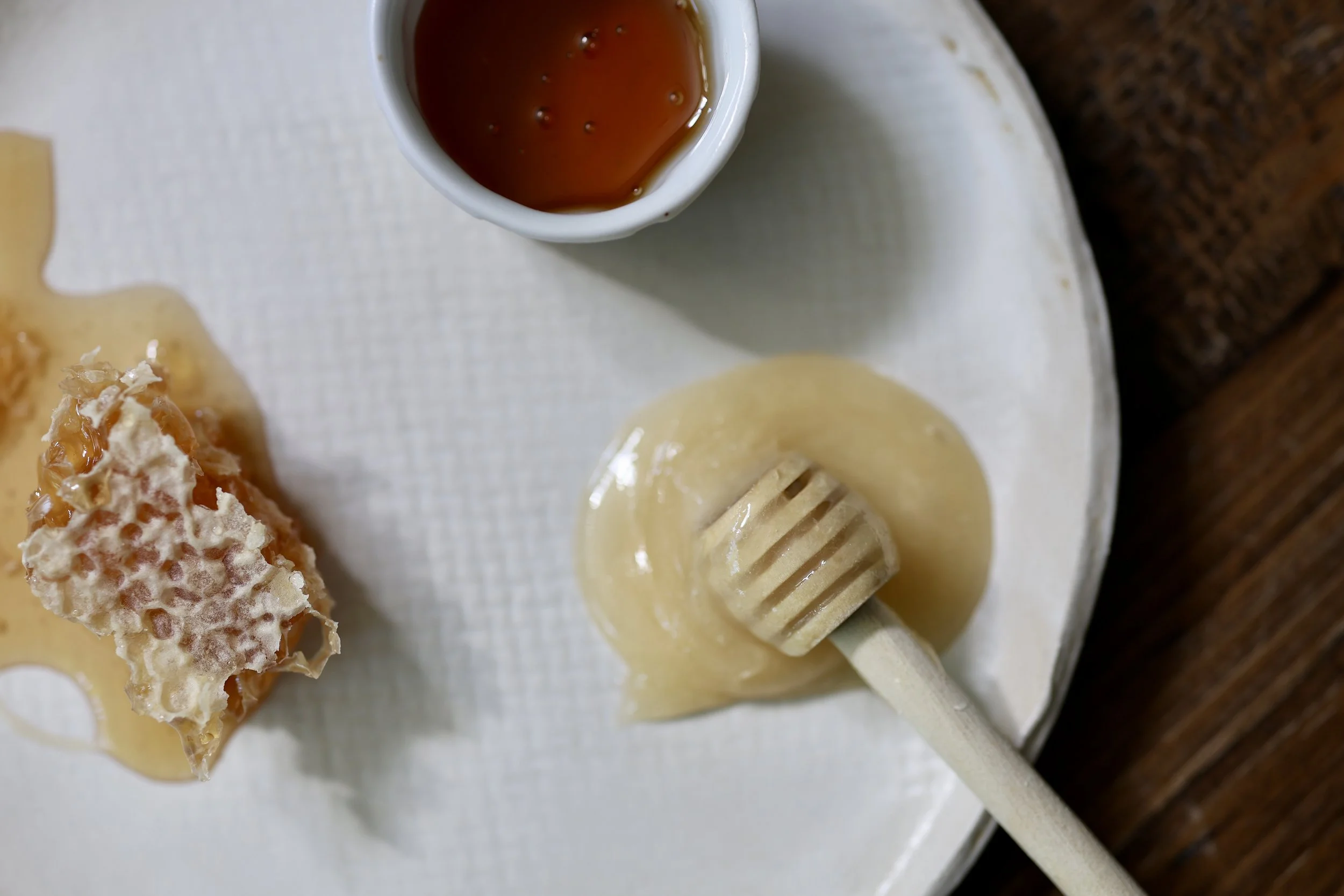
Raw honey textures showing liquid honey, honeycomb, and crystallized honey
Honey Naturally Wants to Crystallize
Honey is made mostly of two natural sugars:
• Glucose
• Fructose
Glucose has a tendency to form crystals over time, especially in raw honey that hasn’t been heavily processed or heated.
Because our honey is raw and minimally handled, those natural sugars are free to do exactly what they’re supposed to do — slowly crystallize.
Some jars stay liquid for months.
Others begin to crystallize sooner.
Nature keeps things interesting.
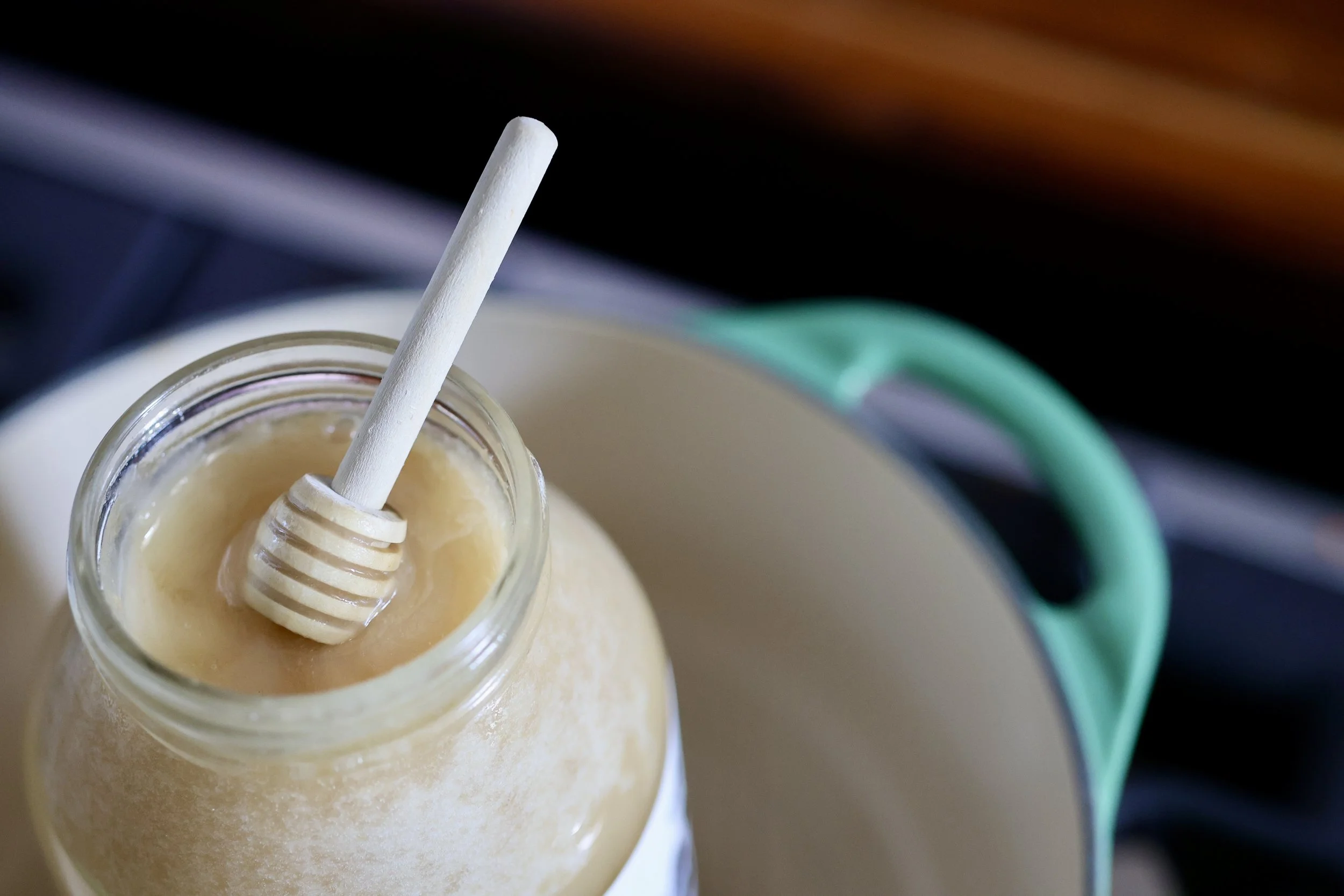
Warming crystallized raw honey gently on a stovetop to return it to liquid
Temperature Plays a Big Role
One of the biggest factors in crystallization is storage temperature.
Honey tends to crystallize fastest when stored around 50–60°F.
This often happens in places like:
• kitchen cabinets near exterior walls
• cool pantries
• basements
• garages
If your honey sits in cooler temperatures, crystals can start forming more quickly.
But again — this is perfectly natural and doesn’t mean anything is wrong with the honey.
The Flowers Matter Too
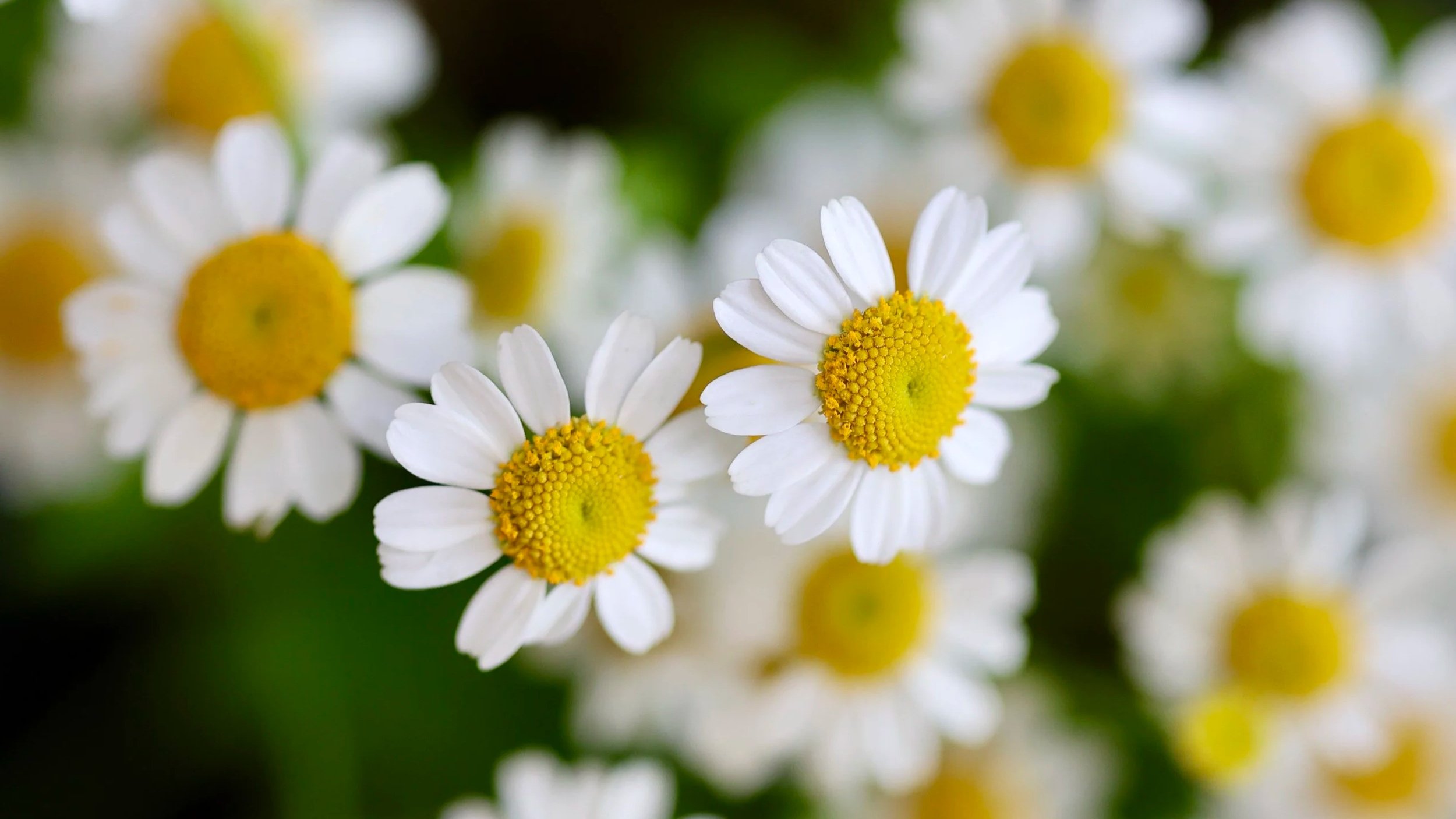
Another factor many people don’t realize is that nectar source plays a role.
The flowers our bees visit determine the balance of glucose and fructose in the honey.
Some nectars naturally crystallize faster than others.
For example:
• clover honey tends to crystallize sooner
• some wildflower honeys stay liquid longer
• certain varietals become thick and creamy
Because our bees forage across Nebraska’s fields, prairies, and wildflowers, every harvest has its own personality.
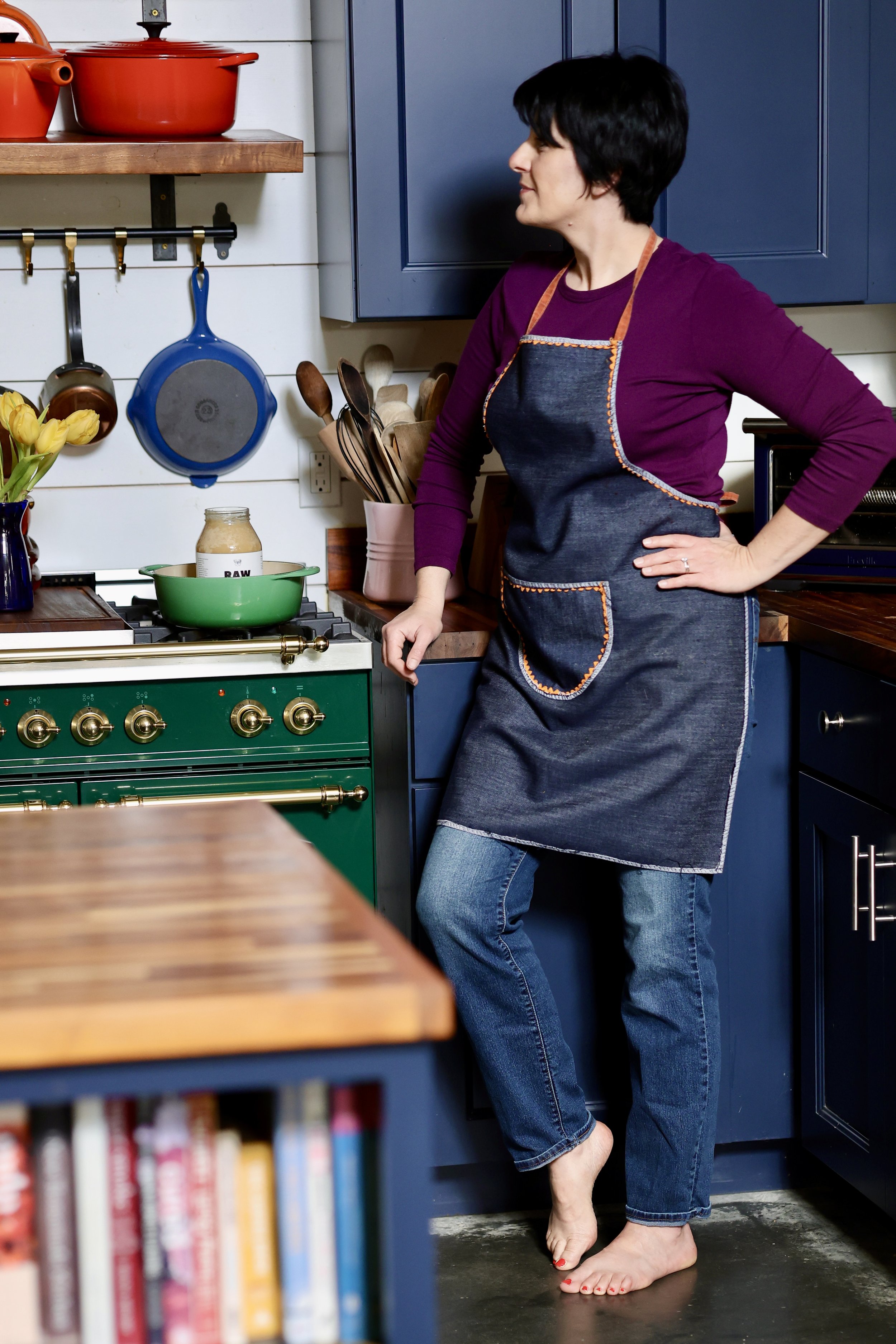
Gently warming a jar of crystallized honey on lowest stove setting.
How to Gently Liquify Crystallized Honey
If you prefer your honey in liquid form, it’s easy to bring it back.
The key is low, gentle heat and a little patience.
One of our favorite ways to do this at home is using a crockpot on the lowest setting.
Simply place the jar of honey in the crockpot and allow the warmth to slowly melt the crystals back into liquid. This method takes time, but it works beautifully and keeps the honey from overheating.
Another easy option is warming the jar on the stovetop using the lowest possible heat. Place the jar in a small pot of warm water and allow it to gently warm until the crystals dissolve.
The important thing is to avoid high heat or microwaving. Honey’s flavor and natural enzymes are delicate, and slow warming helps preserve everything that makes raw honey special.
Around here, we usually just set the jar in a warm pot on the stove and walk away for a while.
Good honey is worth a little patience.
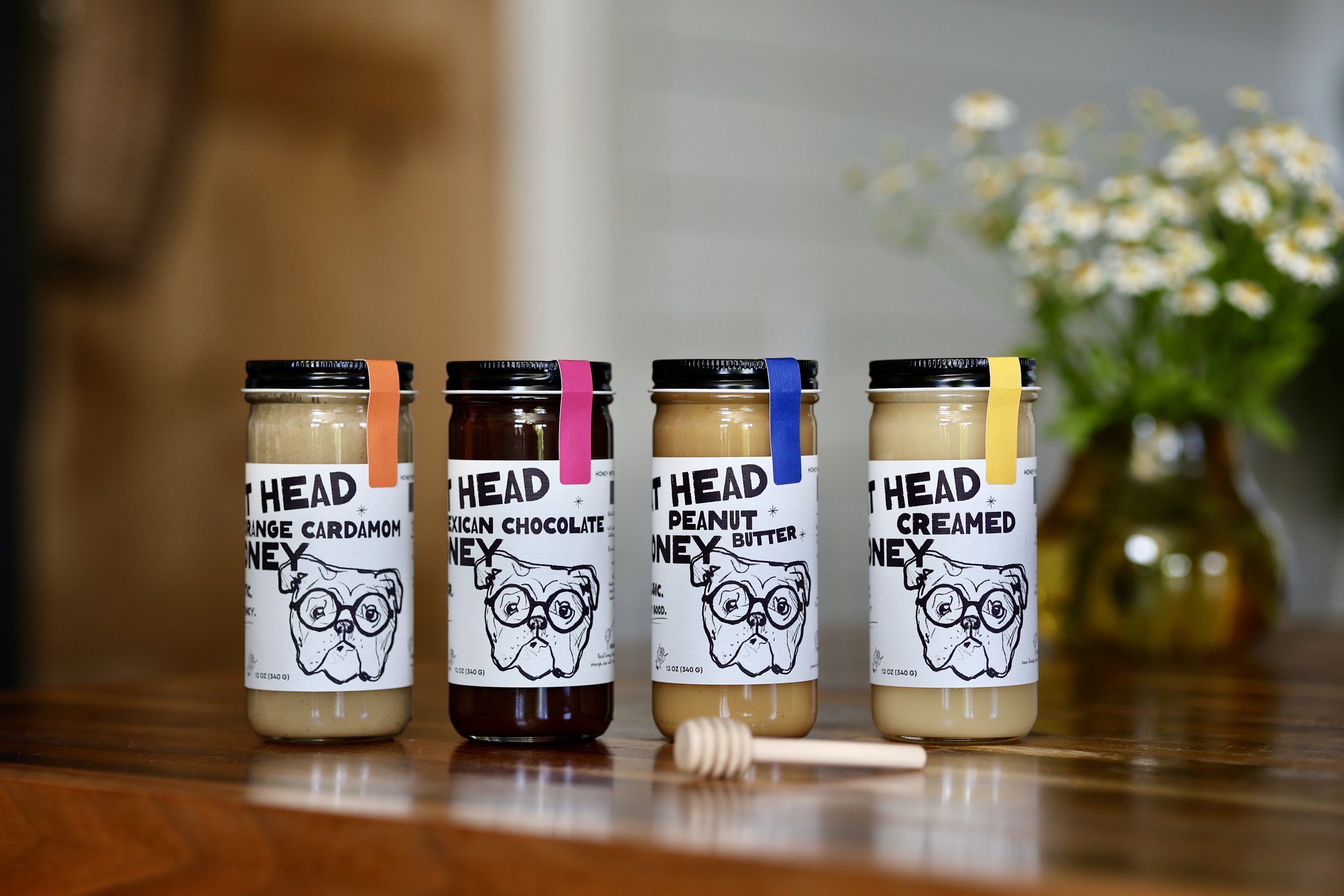
Creamed Honey is crystallized on purpose. We make a wide range of fun creamed honey flavors here at Fat Head Farms-each one smooth, spreadable and perfect for toast, biscuits, oatmeal and more.
Creamed Honey Is Crystallized on Purpose
Here’s a fun twist.
Some honey is intentionally crystallized.
That’s exactly how we make our creamed honey.
Through a controlled process, we encourage very fine crystals to form, creating a texture that’s:
• smooth
• creamy
• perfectly spreadable
It’s the same natural process — just guided carefully.
Those tiny crystals are what give creamed honey its signature silky texture.
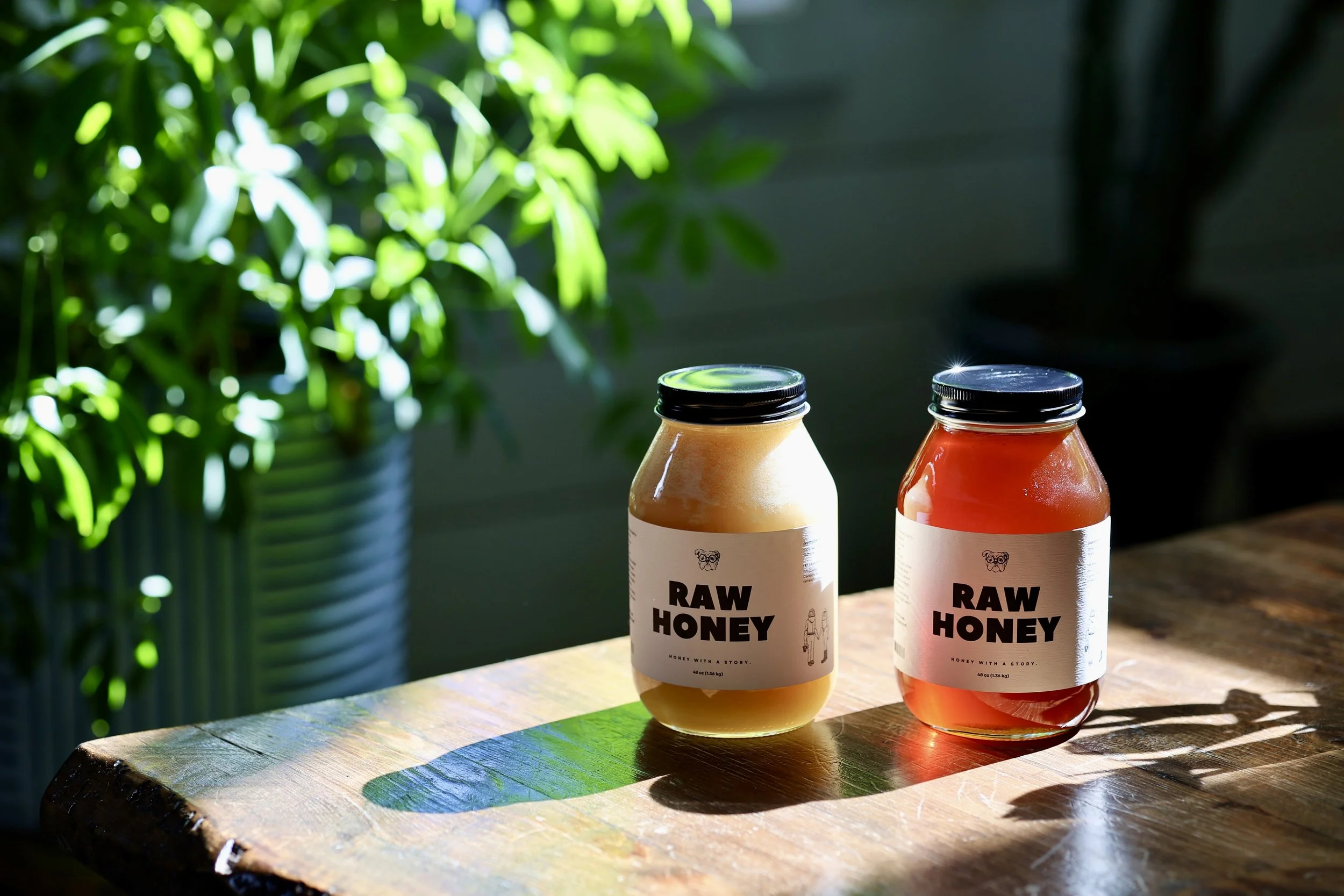
Liquid raw honey and crystallized raw honey side by side in glass jars
The Beauty of Raw Honey
Honey is one of the few foods that never spoils, and it naturally evolves over time.
Sometimes it pours easily.
Sometimes it becomes thick and creamy.
Both are simply part of the journey from hive to jar.
Crystallization is a reminder that honey hasn’t been overly processed or stripped of its natural character.
And around here, that’s exactly how we like it.
Have Questions about Honey?
We love talking honey. If you ever have questions about crystallization, storage, or using honey in your kitchen, stop by the farm stand or send us a note.
Kathy & Brian
Fat Head Honey Farms